

Introduction
If you have ever seen a highly realistic image of a building, product or interior that has not actually been constructed yet, you may have wondered how it was created. The answer is often 3D rendering. But what is 3D rendering, and how does it turn a digital model into an image that can look almost indistinguishable from a photograph?
3D rendering is the process of creating a two-dimensional image from a three-dimensional digital model. Using specialist software, artists and designers can create realistic representations of buildings, products, interiors, environments and many other objects before they exist in the real world.
This technology is widely used across architecture, property development, product design, advertising, film, gaming and engineering. In this guide, we will explain what is 3D rendering, how the process works and why businesses use it.
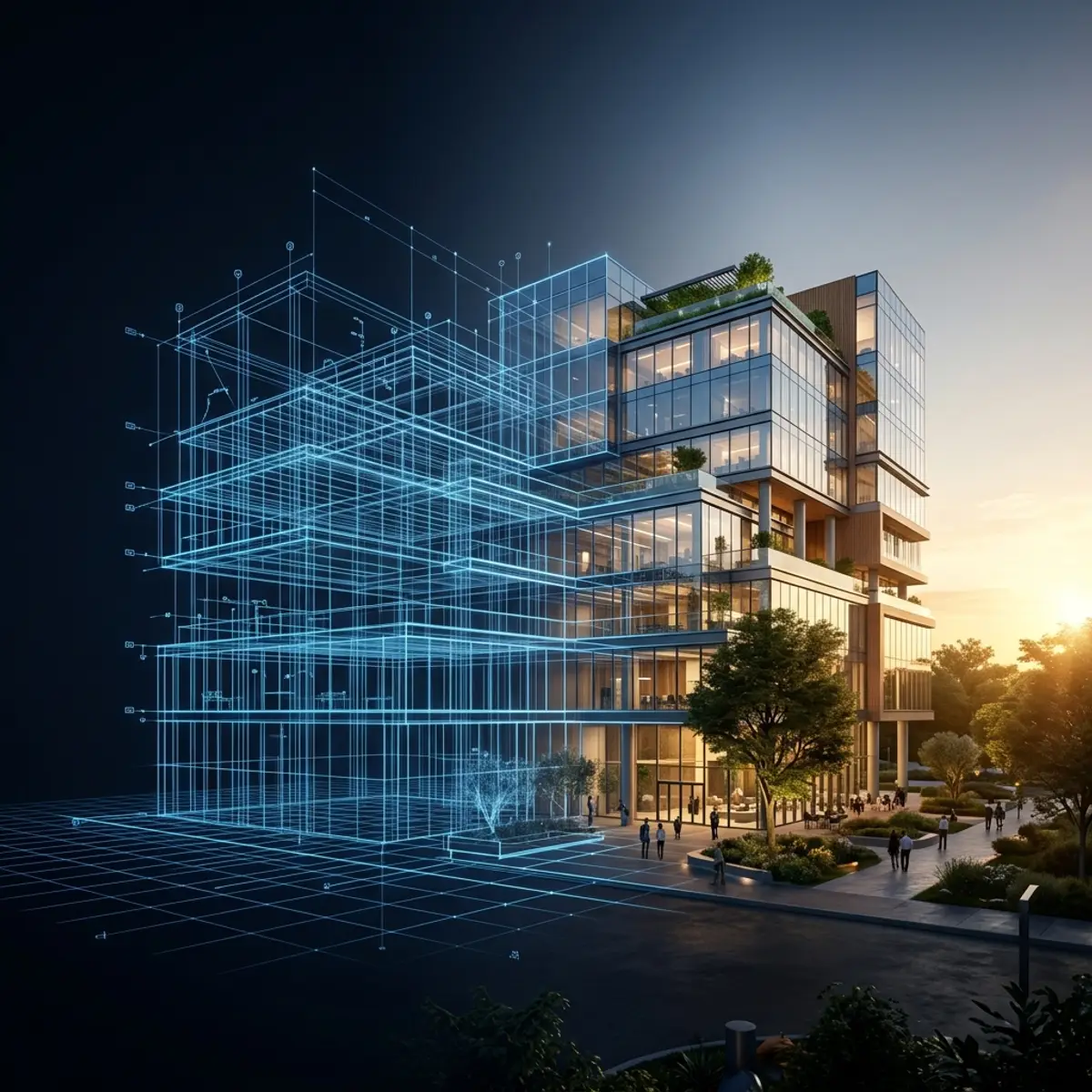
What Is 3D Rendering Used For?
One of the easiest ways to understand what is 3D rendering is to think of it as a virtual photography process. Instead of taking a photograph of a physical object, a computer generates an image using a digital 3D model.
The model can contain information about the shape, size, materials and appearance of an object or environment. A 3D artist then adds elements such as lighting, textures, cameras and backgrounds to create the desired scene.
For example, an architect could create a digital model of a new apartment building and use 3D rendering to show exactly how the finished development could look. This can include realistic materials, landscaping, furniture, lighting and surrounding buildings.
The same principle applies to product design. A manufacturer can create realistic images of a product before producing a physical prototype, allowing designers and marketing teams to review the concept and make changes earlier in the development process.
How Does 3D Rendering Work?
Understanding how 3D rendering works makes it easier to understand what is 3D rendering in practical terms.
The process usually begins with a 3D model. This model is created using computer-aided design or 3D modelling software. The artist builds the geometry of the object, building or environment, creating the basic structure that will eventually appear in the final image.
Materials and textures are then applied to the model. These determine how surfaces look and behave. A wall could have a painted finish, a floor could have realistic timber grain and a window could have reflective glass.
Lighting is another important part of the process. Digital lights can be positioned around the scene to recreate natural sunlight, artificial lighting or specific atmospheric conditions.
Finally, a virtual camera is positioned to capture the scene. Rendering software calculates how light interacts with the objects, materials and environment before producing the final image.
The result can range from a simple conceptual image to an extremely detailed photorealistic visualisation.
What Is 3D Rendering in Architecture?
Architecture is one of the industries where 3D rendering has become particularly valuable.
Architectural rendering allows designers, developers and clients to see a proposed building before construction begins. Rather than relying solely on technical drawings, stakeholders can see the proposed design from different perspectives.
Exterior architectural renders can show the building within its surroundings, including landscaping, roads, neighbouring properties and lighting conditions. Interior renders can demonstrate how rooms could look once furnished and decorated.
This makes it much easier for clients and investors to understand a project. It can also help architects identify design issues before construction starts.
For property developers, high-quality architectural visualisations can also become an important part of marketing. Renders can be used on websites, brochures, social media, property listings and advertising campaigns.
3D Rendering vs 3D Modelling
A common source of confusion when asking what is 3D rendering is the difference between rendering and modelling.
3D modelling is the process of creating the digital object itself. Think of it as building the virtual structure. Rendering is the process of taking that model and producing a finished image from it.
For example, a 3D artist might model a house using specialist software. Once the house has been modelled, they can add materials, lighting, landscaping and furniture before rendering an image.
In simple terms, modelling creates the scene, while rendering produces the visual representation of that scene.
Both processes are important, particularly when creating detailed architectural or product visualisations.
What Is 3D Rendering Used For in Marketing?
3D rendering is not limited to architects and designers. It has become an increasingly useful marketing tool for businesses that need to showcase products, properties or concepts.
A business can use rendered imagery to promote a product before manufacturing is complete. This can be particularly useful for products that are expensive or time-consuming to photograph.
Property businesses can also use renders to promote developments that are still under construction. Potential buyers can see proposed kitchens, bedrooms, living spaces and exterior areas before the development is finished.
Because the imagery can be created digitally, marketers can also produce different versions of the same scene. This could include different colours, materials, furniture arrangements, seasons or lighting conditions.
How Realistic Can 3D Rendering Be?
Modern rendering technology can produce incredibly realistic results. So, how realistic can 3D rendering actually be?
The answer depends on several factors, including the quality of the 3D model, materials, lighting, software and the experience of the artist.
Photorealistic rendering aims to replicate the appearance of a real photograph. This means carefully recreating details such as reflections, shadows, surface imperfections, natural light and material properties.
For architectural visualisation, small details can make a significant difference. Adding realistic curtains, plants, furniture, reflections and subtle imperfections can make a scene feel considerably more authentic.
This is why professional 3D rendering can be so effective for marketing and visual communication.
What Are the Benefits of 3D Rendering?
There are several reasons businesses choose 3D rendering instead of relying solely on photography or traditional drawings.
Visualise Ideas Before They Exist
Perhaps the biggest advantage is the ability to show something before it has been built or manufactured. This can help clients understand an idea that may otherwise be difficult to visualise.
Make Changes Earlier
Digital models can be adjusted before construction or production begins. Changing a material, layout, colour or design element is generally much easier at this stage than after something has been physically produced.
Improve Marketing
High-quality rendered imagery can provide businesses with attractive visual content for websites, brochures, advertisements and social media.
Communicate Complex Designs
Technical drawings can be difficult for people without design experience to interpret. A realistic render provides a much more accessible way to communicate a proposed design.
Save Time and Costs
Although professional rendering requires investment, it can help reduce costs associated with physical prototypes, design changes and traditional photography.
What Is 3D Rendering Going to Look Like in the Future?
As rendering technology continues to develop, the line between computer-generated imagery and photography is becoming increasingly difficult to distinguish.
Real-time rendering, artificial intelligence and increasingly powerful graphics hardware are making it possible to create detailed visuals faster than ever before. Designers can also explore interactive environments rather than simply producing static images.
For architecture and property, this could mean clients being able to walk through a proposed development virtually before construction begins. For product businesses, customers could potentially interact with digital versions of products before purchasing them.
The future of 3D visualisation is therefore likely to become increasingly interactive, realistic and accessible.
Final Thoughts on What Is 3D Rendering
So, what is 3D rendering? Put simply, it is the process of turning a three-dimensional digital model into a two-dimensional image or visual representation.
However, its applications go far beyond simply creating attractive pictures. 3D rendering allows architects, developers, designers, manufacturers and marketers to communicate ideas, visualise concepts and promote products before they physically exist.
From realistic property visualisations to product marketing and interior design, 3D rendering has become an important tool for businesses that rely on strong visual communication.
As technology continues to improve, rendered imagery will become even more realistic and versatile, creating new opportunities for businesses to present their ideas in compelling ways.